

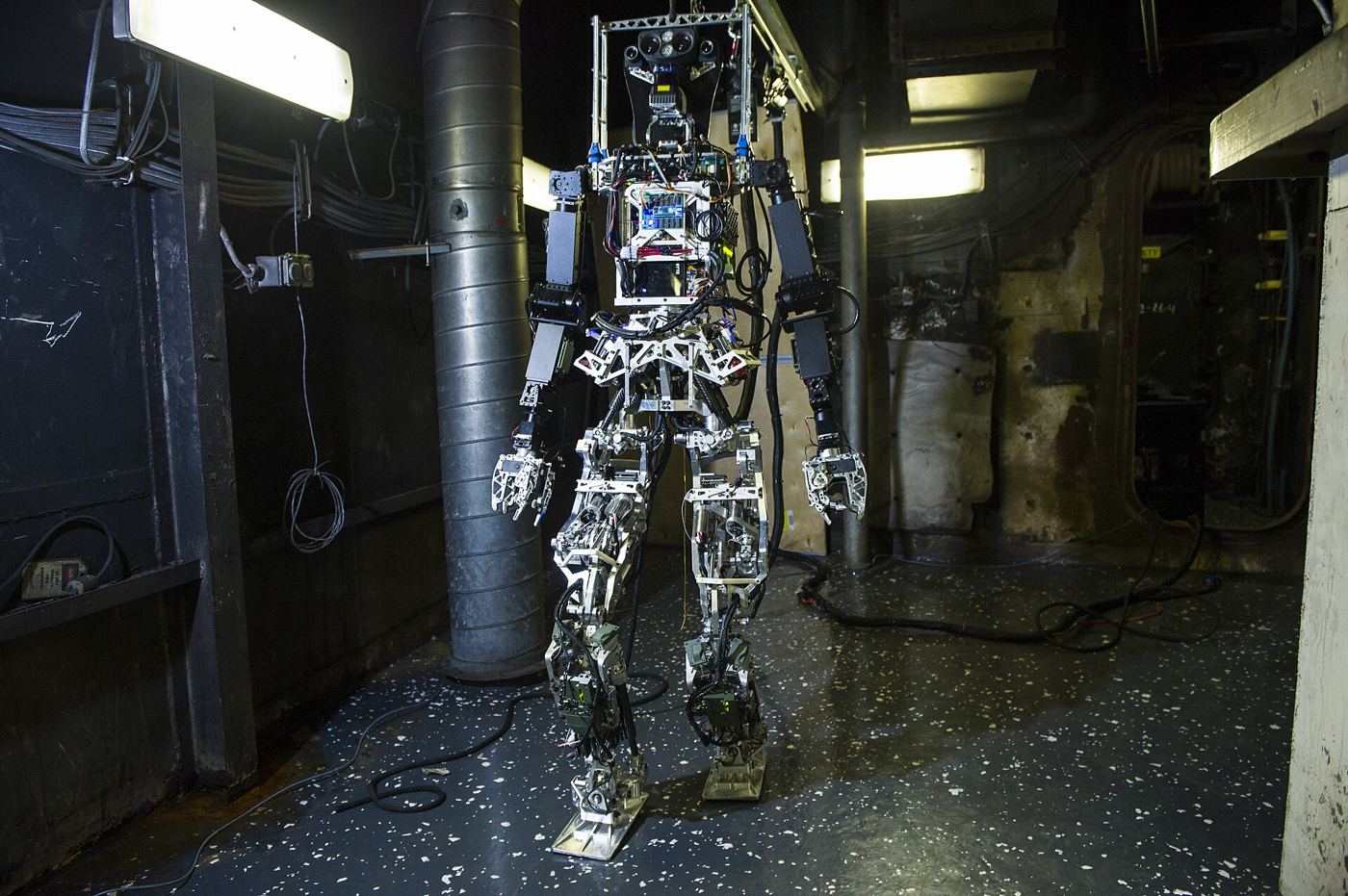
Walking on two legs looks effortless for people, yet for a humanoid robot it remains one of the hardest problems in robotics. In laboratories, researchers study how these machines balance, shift their weight and place each foot, using sensors in the joints and soles to detect tiny changes in pressure. Test rigs and safety harnesses let robots attempt uneven surfaces and gentle pushes without falling and damaging expensive hardware. The science draws on biomechanics, the study of how human and animal bodies move, as well as control theory from engineering. Understanding balance in a robot also feeds back into medicine, informing the design of better prosthetic legs and rehabilitation devices. The laboratory work is painstaking and collaborative, bringing together engineers, mathematicians and movement specialists who each see the same walking problem from a different angle.
What the Evidence Shows
Teams compare different walking approaches, from carefully preplanned steps to systems that react continuously as conditions change beneath the robot feet. High speed cameras and motion capture markers reveal whether a stumble begins at the ankle, knee or hip, guiding adjustments to motors and software. Progress is measured in small, repeatable gains: a slightly rougher floor managed, a slightly stronger nudge absorbed without falling. Researchers are careful not to overstate results from a single demonstration, publishing test conditions so other laboratories can reproduce them. That disciplined approach is slowly producing machines that move with greater confidence, and a clearer scientific picture of balance itself. Open competitions between research groups help too, setting shared balance challenges that reveal which approaches generalise beyond one laboratory carefully prepared floor surface. Reporting and analysis from sources such as Nature track the same developments, and specialists following the science of robot balance and walking say the direction is now consistent across independent lines of evidence.
The Wider Context
The wider context is a research landscape in which replication and open data now decide reputations. Findings connected to the science of robot balance and walking are being checked by independent groups with shared datasets, and the teams involved publish their methods in full so rivals can test every step. That discipline is slower than a headline cycle, but it is why results in this area increasingly survive first contact with scrutiny.
What Happens Next
What happens next in the story of the science of robot balance and walking will be decided by follow-up work already under way: larger samples, longer observation and instruments that have not yet come online. The researchers involved are unusually united on one point, that the current results justify the next investment of time and money. Readers will not have to wait long for the first tests of that claim. You can follow related developments in our coverage of science.
None of this will be settled by a single announcement, study or product launch. The pattern to watch is accumulation: independent confirmations, honest reporting of failures and steady improvement in the underlying numbers. Readers who follow those signals, rather than the loudest claim of the week, will understand this subject better than most of the commentary surrounding it suggests is possible.
