

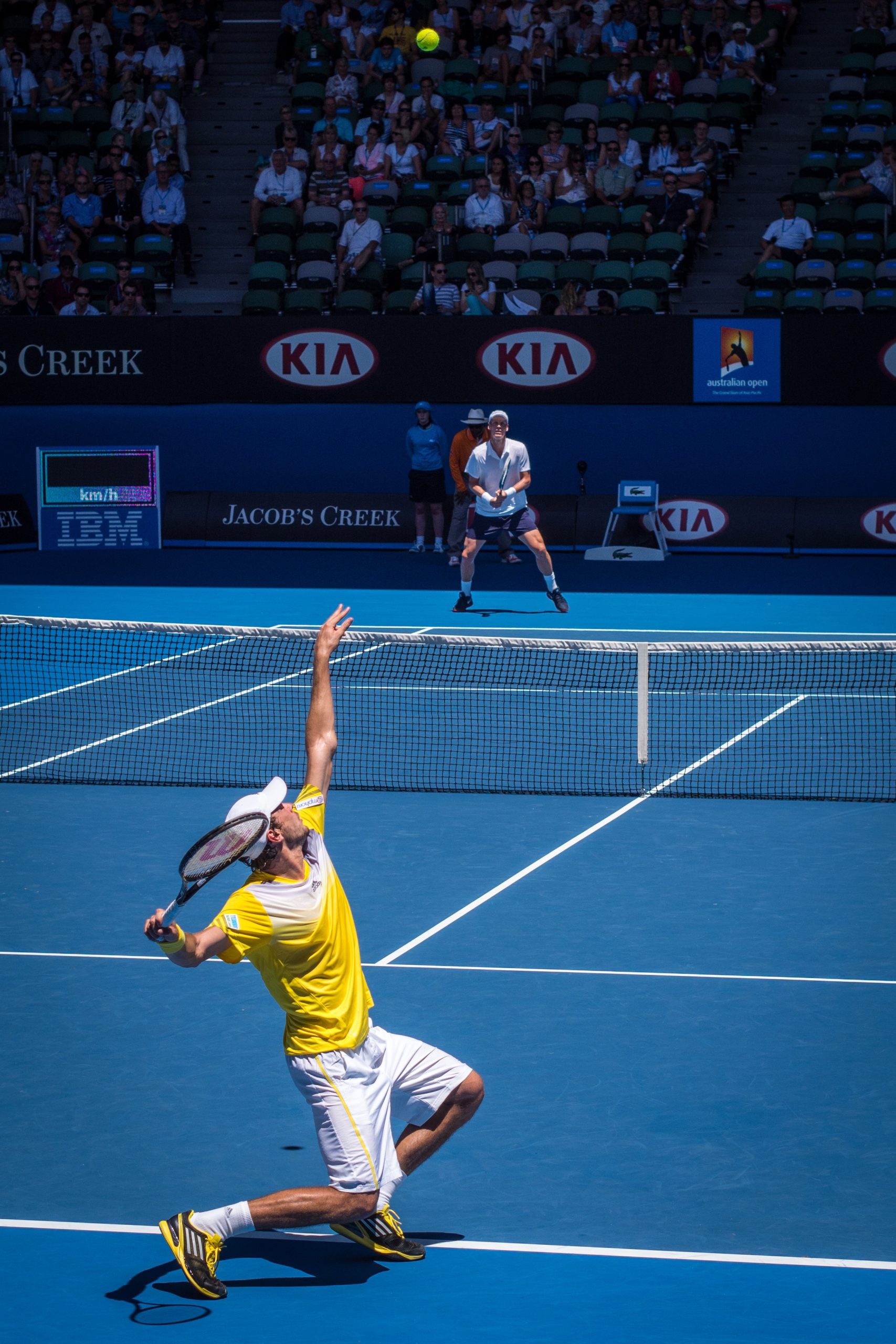
Every Australian summer produces a local hopeful who captures the home crowd’s imagination. Talia Gibson is increasingly looking like the real thing rather than a seasonal novelty. The Western Australian has stacked up results across the professional circuit with a game built on clean ball-striking, smart point construction and a temperament that belies her years. Her profile on the WTA Tour website tells the statistical story; the eye test tells the rest.
Gibson’s trending moment did not arrive by accident. It is the product of a deliberate climb through ITF events, where the margins are thin and the travel is relentless, and where young players either build a ranking or stall. She has chosen the former path, and our tennis coverage has tracked her progress from promising junior to a player the tour now takes seriously.
A Game Built for the Modern Tour
Gibson plays the contemporary baseline game with unusual discipline. Her groundstrokes are struck with depth rather than desperation, she changes direction without telegraphing it, and — rarest of all in young players — she defends with patience instead of panic. Coaches who have worked with her describe a player who absorbs coaching quickly and applies it under pressure, which is the trait that separates prospects from professionals.
Her serve, once the weakest part of the package, has become a genuine weapon. Added pace and smarter placement have turned service games from negotiations into statements.
The Results Behind the Rise
Rankings in tennis are a lagging indicator; they confirm what observers have already seen. Gibson’s recent runs — deep finishes at tour-level qualifying, wins over higher-ranked opponents, and titles on the ITF circuit documented by the International Tennis Federation — point to a player whose level is ahead of her number. Each result moves her closer to the direct-entry territory that changes a career: main draws at the biggest events, better draws, and the ranking protection that lets a young player plan a season rather than chase it.
What Comes Next
The next twelve months will test her against the tour’s established names on the biggest stages, including the home Grand Slam swing where Australian expectations run highest. There will be losses that teach and wins that announce. The trajectory, though, is unmistakable.
The Australian Pipeline
Gibson’s emergence also says something about the system producing her. Australian tennis has spent a decade rebuilding its development pathways after a golden generation aged out, investing in domestic Pro Tour events that let young players accumulate ranking points and match toughness without bankrupting their families on overseas travel. Gibson is a product of that patience: hundreds of professional matches on home soil before her eighteenth birthday, each one a lesson in the unglamorous craft of winning when not playing well.
That foundation matters because the jump to the main tour is where most prospects stall. The opponents are stronger, the scouting is forensic, and the weaknesses that ITF fields could not exploit get targeted within a single scouting report. Players who survive the transition tend to share Gibson’s traits — a repeatable game, emotional steadiness, and the willingness to treat a first-round loss at a big event as tuition rather than verdict. The Australian summer will test all of it, in front of home crowds who have been waiting for exactly this kind of player to cheer for.
The Mental Side of the Climb
Those around Gibson point to her response to defeat as the clearest marker of professional maturity. Losses at ITF level can be brutal — long travel, small crowds, ranking points that move by fractions — yet her camp describes a player who reviews, adjusts and returns without drama. That steadiness is the unglamorous engine behind ranking climbs: not one spectacular week, but thirty solid ones stacked in a row.
For Australian tennis, searching for its next wave, Gibson is the name to underline. Keep up with her season through our tennis section as the ranking climb continues.
