

The most consequential product in crypto is the boring one. Stablecoins — digital tokens designed to hold a one-to-one value with the dollar, backed by reserves of cash and Treasury bills — now circulate in the hundreds of billions and settle trillions in transactions a year. Analysts at institutions such as the IMF have begun treating them as monetary infrastructure, not speculation.
Their issuers have quietly become some of the largest buyers of US government debt on the planet, holding more Treasury bills than many sovereign nations. An invention of the crypto fringe now sits inside the plumbing of the dollar system itself — a development regulators are racing to formalise before it grows beyond supervising.
What They Are Actually Used For
Inside crypto markets, stablecoins are the cash leg of nearly every trade — the asset traders park in between bets. But the growth story is increasingly external: freelancers in unstable-currency countries invoicing in digital dollars, families receiving remittances in minutes for cents instead of days for seven per cent, and online merchants settling sales without card networks.
These uses cluster where the legacy system serves people worst: expensive corridors, fragile currencies, slow banking hours. The stablecoin pitch is not ideology but arithmetic — a transfer that costs almost nothing and settles almost instantly is hard to uninvent.
The Reserve Question
A stablecoin is a promise: one token, one dollar, redeemable on demand. The promise is only as good as the reserves and the law behind them. The new regulatory frameworks converge on the same recipe — reserves in cash and short-term government debt, monthly attestations, licensed issuers, and no interest paid to holders, to keep the products from becoming unregulated bank deposits.
The failures instruct as much as the successes. Algorithmic stablecoins that held their peg by financial engineering, rather than by assets, collapsed spectacularly when confidence broke. The survivors and the statutes alike have absorbed the lesson: boring reserves, radically disclosed, are the entire product.
Banks, Card Networks and the Response
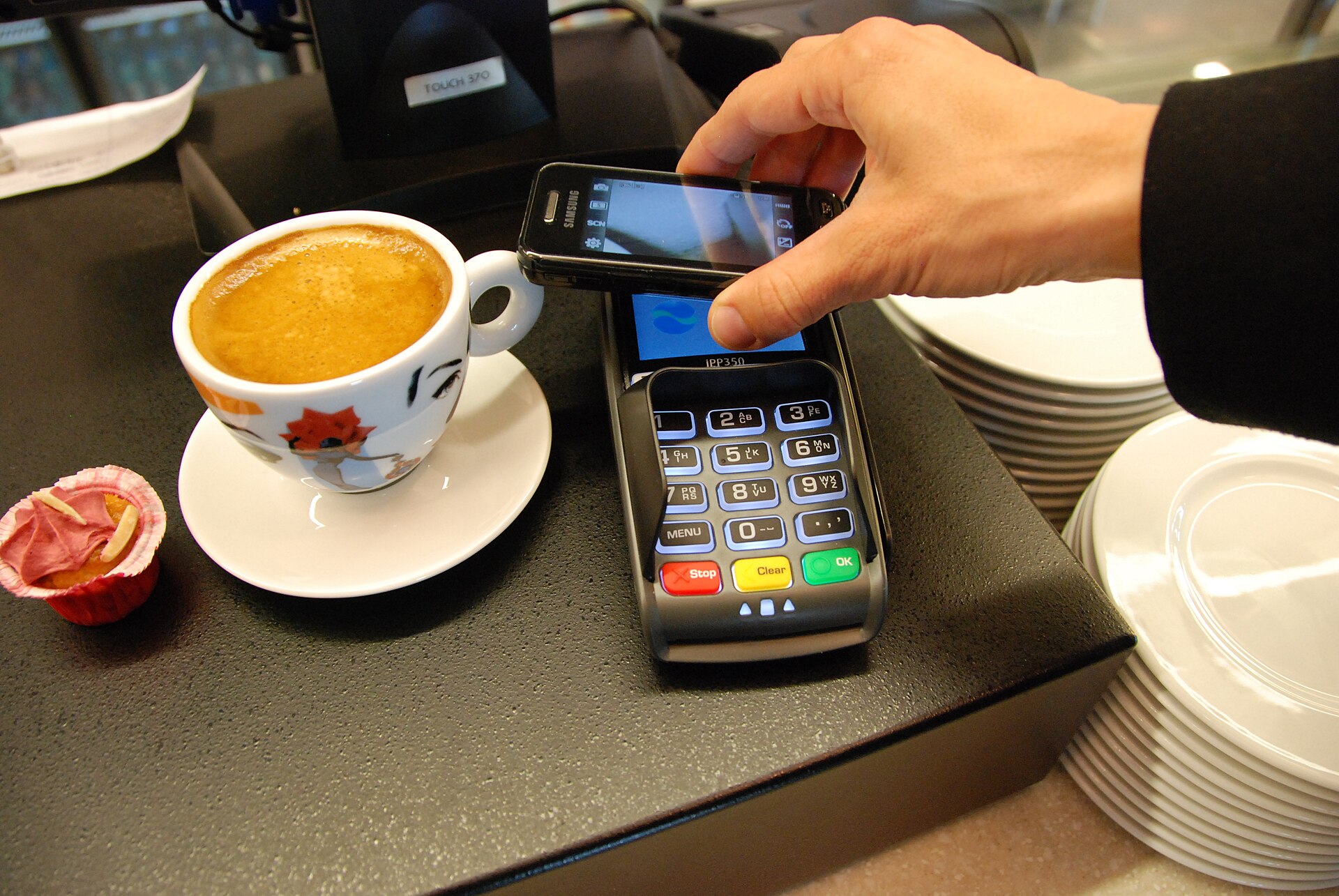
The incumbents have stopped laughing. Major banks are piloting their own tokenised deposits, card networks are integrating stablecoin settlement, and payment giants treat the tokens as another rail to route over — faster at weekends, cheaper across borders. The contest is shifting from crypto-versus-finance to whose token, on whose ledger, under whose licence.
Central banks watch with mixed feelings. Digital dollars extend the currency’s global reach — a geopolitical asset — while exporting monetary conditions to countries that did not vote for them. “Dollarisation by app” is the phrase doing the rounds in policy circles, and it captures both the opportunity and the unease.
For savers in high-inflation countries, the tokens have an unsanctioned second life: a mattress dollar that fits in a phone. Economists debate the effects on local currencies, but for the households involved the calculation is personal and immediate — preservation beats principle when prices double.
Risks That Survive the Rulebook
Regulation reduces but does not retire the risks: a run on a major issuer would still be a fire drill, the tokens ride on blockchains with their own technical failure modes, and illicit finance finds every fast payment system eventually. Supervisors are building the monitoring to match — treating big issuers the way they treat systemically important payment firms.
The likely endpoint is unglamorous and significant: stablecoins as regulated digital cash, as ordinary as the money-market fund and roughly as exciting — which is exactly what money, at its best, is supposed to be.
The Wider Picture
For households, the through-line is unglamorous: costs, diversification and time do more work than forecasts. The structures described here reward the people who understand what they own and what it charges them — a literacy that the new transparency, for all its faults, is quietly spreading.
Stablecoins began as a convenience for traders and became a lesson in what the world actually wants from digital money: the dollar, at internet speed, with the safety engineered in. The casino chips grew up to be plumbing.
Read more in our Business News section, and follow the day’s coverage on our homepage.
