

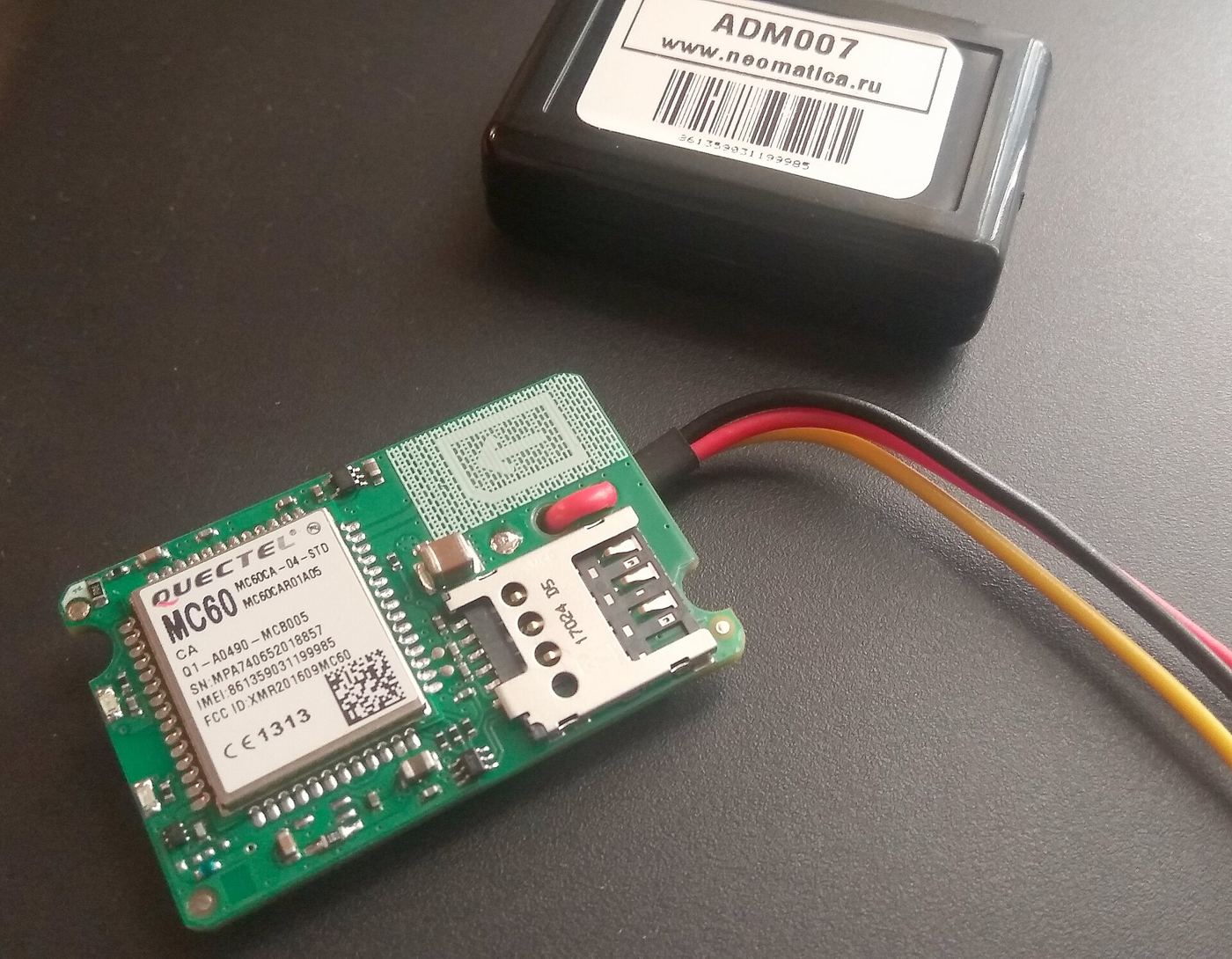
Nordic Semiconductor has launched the nRF71 Series, a family of ultra-low-power chips that pack Wi-Fi, Thread, Bluetooth Low Energy and edge AI onto a single piece of silicon, the company announced on 27 November 2026. The new chips use up to 20 times less power in standby than the company’s earlier nRF70 Series Wi-Fi products, a big saving for battery-powered gadgets. The range includes the nRF7120 with dual-band Wi-Fi 6 and the nRF7120E with tri-band Wi-Fi 6E and an Axon neural processing unit. Each chip offers four megabytes of on-chip memory and one megabyte of user-accessible RAM. The chips are aimed at makers of smart home devices, wearables and industrial sensors.
What the Evidence Shows
Running AI directly on a tiny chip, rather than sending data to the cloud, is becoming central to smart homes, wearables and sensors, because it saves power, cuts delays and keeps private data on the device. The Axon unit on the nRF7120E handles tasks such as keyword spotting, anomaly detection and image classification, while Nordic’s Neuton software builds small AI models from a user’s own data. For makers of connected devices, one chip that covers wireless links and local AI could simplify designs and stretch battery life from months to years. Battery life is often the deciding factor for such gadgets, and a chip that sips power in standby can keep a sensor running for years on a single small battery. Reporting and analysis from sources such as MIT Technology Review track the same developments, and specialists following the Nordic nRF71 chip launch say the direction is now consistent across independent lines of evidence.
The Wider Context
The wider context is an industry learning to ship capability and restraint together. Products built around the Nordic nRF71 chip launch now launch with safety evaluations, usage data and rollback plans as standard, because enterprise buyers and regulators ask for them in the first meeting. Companies that treated those questions as friction are discovering they have become the purchase criteria.
What Happens Next
What happens next for the Nordic nRF71 chip launch depends less on another breakthrough than on the unglamorous work of reliability, pricing and support. The buyers evaluating it now are not enthusiasts; they are operators with budgets and auditors, and their checklists will decide the timeline. On the evidence of the current pilots, the technology has earned the right to be judged by them. You can follow related developments in our coverage of technology.
There is a practical lesson in all of this for readers deciding what to do today. Start with the verified facts, be wary of anyone promising certainty, and prefer reversible steps while the evidence is still developing. Circumstances differ by country, income and personal situation, so general guidance should always be weighed against your own context before you act on it in any significant or lasting way.
