

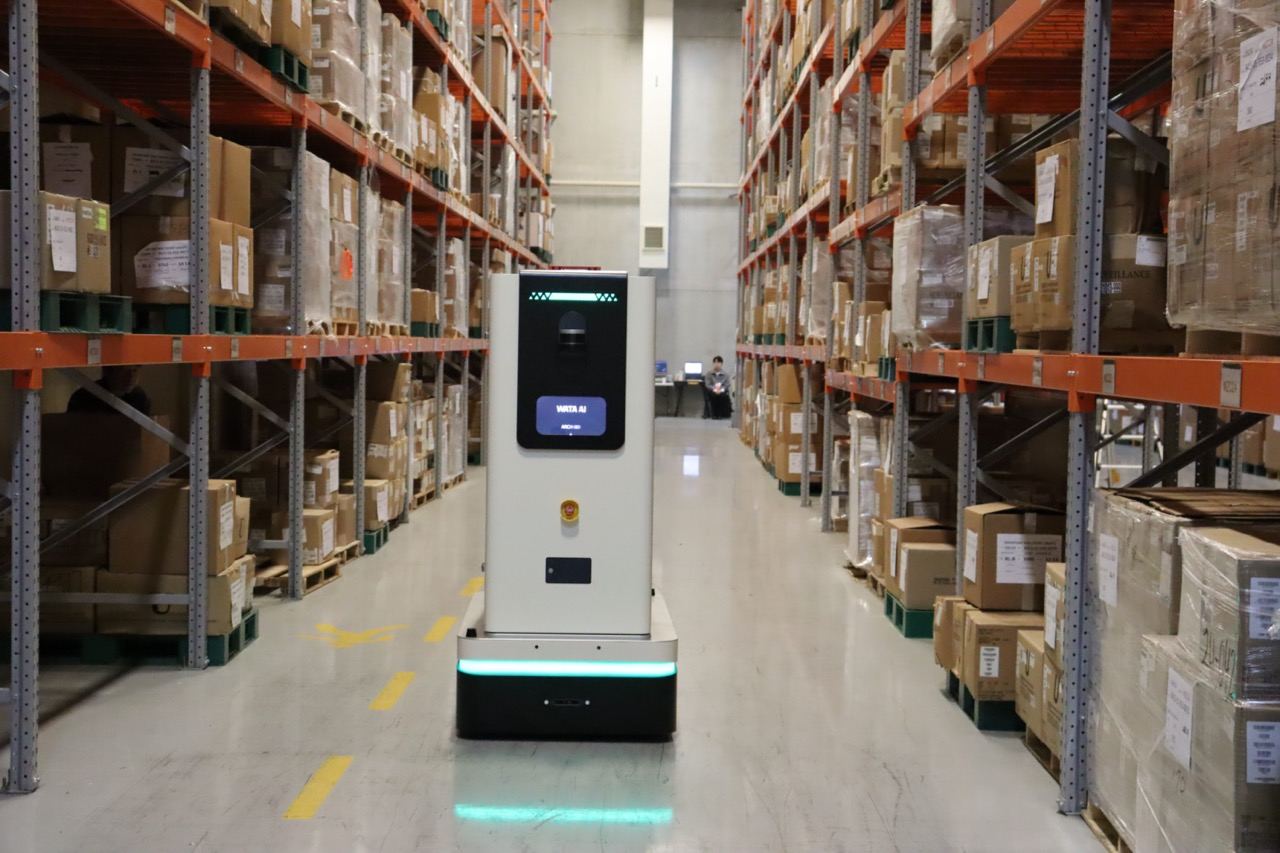
Inside large distribution warehouses, fleets of low, flat robots now glide beneath shelving units, lift them off the floor and carry them to workers waiting at packing stations. The change has transformed how orders are fulfilled: instead of staff walking kilometres each shift between aisles, the goods come to them, cutting picking times and reducing the strain of constant walking and lifting. Warehouse managers say the robots also make better use of space, since shelves can be packed more tightly when people no longer need to walk between them. The systems are guided by software that plans the most efficient routes and avoids collisions, and the robots return to charging bays on their own when their batteries run low. For online retailers facing seasonal peaks, the fleets offer a way to scale up without hiring large numbers of temporary staff. The robots work alongside human staff rather than replacing them, taking over the long walks between shelves while people handle the picking and packing that needs a human touch.
What the Evidence Shows
Workers describe a mixed experience. The physical burden has eased, but the pace of work is set by the machines, and staff must stay alert around moving robots that weigh hundreds of kilograms. Safety systems include sensors that stop a robot when a person steps into its path, and walkways are marked clearly to separate people from machines. Unions are pressing for retraining, so pickers can move into roles maintaining and supervising the fleets rather than being displaced by them. Analysts expect the technology to spread from the largest retailers to mid-sized warehouses as costs fall, and some manufacturers are now offering robots on lease so smaller firms can try them without a large upfront investment. The warehouses of the near future, they say, will be shared spaces where people and machines work side by side. The software behind the fleets is updated regularly, learning from each shift to plan smoother routes and to keep the busiest packing stations supplied without queues forming. Reporting and analysis from sources such as MIT Technology Review track the same developments, and specialists following the warehouse shelf-carrying robot fleet say the direction is now consistent across independent lines of evidence.
The Wider Context
The wider context is an industry learning to ship capability and restraint together. Products built around the warehouse shelf-carrying robot fleet now launch with safety evaluations, usage data and rollback plans as standard, because enterprise buyers and regulators ask for them in the first meeting. Companies that treated those questions as friction are discovering they have become the purchase criteria.
What Happens Next
What happens next for the warehouse shelf-carrying robot fleet depends less on another breakthrough than on the unglamorous work of reliability, pricing and support. The buyers evaluating it now are not enthusiasts; they are operators with budgets and auditors, and their checklists will decide the timeline. On the evidence of the current pilots, the technology has earned the right to be judged by them. You can follow related developments in our coverage of technology.
There is a practical lesson in all of this for readers deciding what to do today. Start with the verified facts, be wary of anyone promising certainty, and prefer reversible steps while the evidence is still developing. Circumstances differ by country, income and personal situation, so general guidance should always be weighed against your own context before you act on it in any significant or lasting way.
