

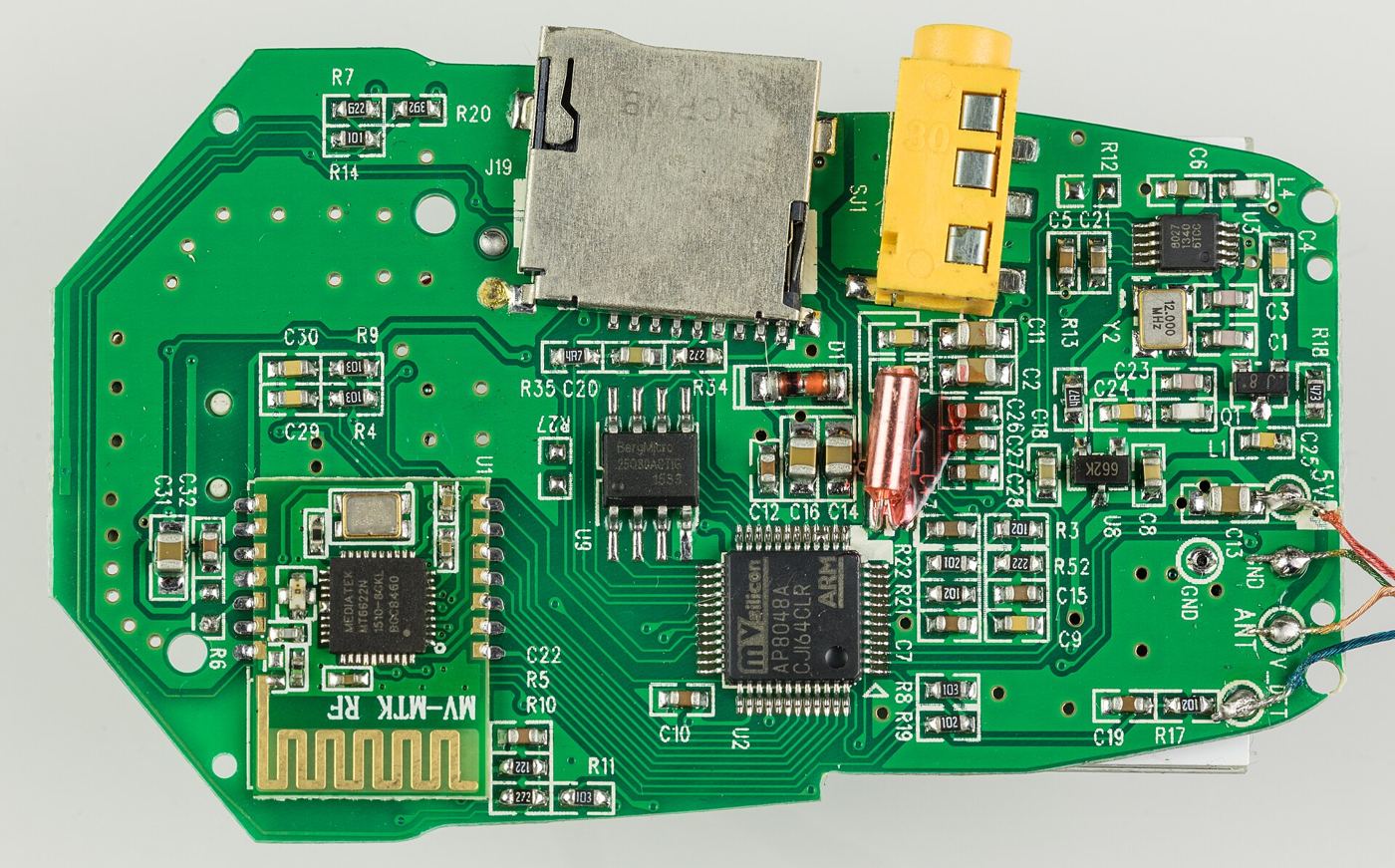
Smartphone processors have crossed a threshold that changes where artificial intelligence actually runs, with larger models now working directly on handsets instead of distant servers. Chip designers have added dedicated neural blocks, faster memory pathways and compression methods that shrink models without badly weakening their answers. The result is that translation, photo editing, voice assistance and document summaries can happen on the device itself, even without a signal. That shift carries privacy benefits, because personal text, images and recordings need not leave the phone for routine tasks. It also cuts delay, since answers no longer wait for a round trip to a data centre, and it lowers running costs for services used billions of times daily. Engineers achieve the feat by trimming numerical precision, caching frequent calculations and splitting work intelligently between efficiency and performance cores. Heat remains the central constraint, because a phone has no fan and little room to shed warmth during sustained tasks. Designers therefore schedule intensive work in short bursts and monitor skin temperature continuously. Independent reviewers say the best current handsets handle impressively capable models, though the largest cloud systems still lead on complex reasoning. For everyday use, however, capable local intelligence is becoming the feature buyers notice most.
What the Evidence Shows
Manufacturers expect on-device intelligence to reshape how applications are built, with developers designing smaller specialist models rather than relying on one giant remote system. A travel application might carry its own translation model, a health application its own symptom organiser, each updated separately and able to work fully offline. That modular approach also helps regulators, because sensitive categories of data can be processed under clearer local rules. Battery impact is improving as dedicated silicon performs the same work for a fraction of the energy a general processor would consume. Still, questions remain about consistency, because two phones running different local models may answer the same question rather differently. Industry groups are developing shared benchmarks that measure accuracy, speed and energy together, rather than headline speed alone. Security researchers welcome local processing but warn that models stored on devices must be protected against tampering and extraction. Chip makers respond with signed model packages and hardware backed storage for the most sensitive components. As memory capacity rises in mid range handsets, features once limited to flagship phones are spreading quickly. The direction is clear, with intelligence moving steadily from remote servers into the pocket. Reporting and analysis from sources such as MIT Technology Review track the same developments, and specialists following on-device phone AI chips say the direction is now consistent across independent lines of evidence.
The Wider Context
The wider context is an industry learning to ship capability and restraint together. Products built around on-device phone AI chips now launch with safety evaluations, usage data and rollback plans as standard, because enterprise buyers and regulators ask for them in the first meeting. Companies that treated those questions as friction are discovering they have become the purchase criteria.
What Happens Next
What happens next for on-device phone AI chips depends less on another breakthrough than on the unglamorous work of reliability, pricing and support. The buyers evaluating it now are not enthusiasts; they are operators with budgets and auditors, and their checklists will decide the timeline. On the evidence of the current pilots, the technology has earned the right to be judged by them. You can follow related developments in our coverage of technology.
There is a practical lesson in all of this for readers deciding what to do today. Start with the verified facts, be wary of anyone promising certainty, and prefer reversible steps while the evidence is still developing. Circumstances differ by country, income and personal situation, so general guidance should always be weighed against your own context before you act on it in any significant or lasting way.
