

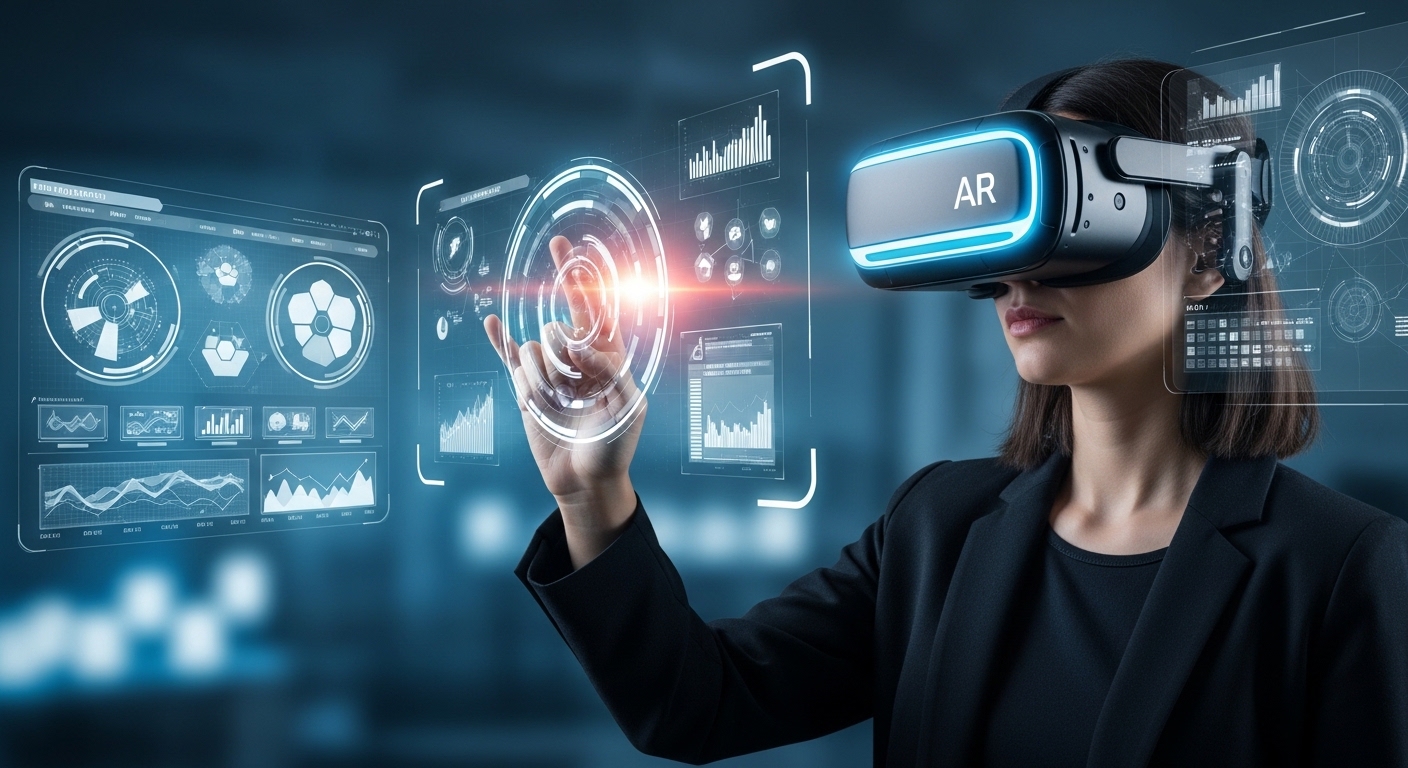
Top technology trends transforming the digital world are rapidly reshaping how people live, work, communicate, and do business. From artificial intelligence and automation to advanced connectivity and immersive technologies, these innovations are driving a smarter, faster, and more connected global digital ecosystem.
Artificial Intelligence Revolution
AI Becomes Core Infrastructure
Artificial intelligence is no longer just an add-on tool; it is becoming the foundation of modern digital systems. Businesses use AI for decision-making, automation, customer service, and predictive analytics, making operations faster and more efficient across industries worldwide.
Generative AI Expands Creativity
Generative AI is transforming content creation by producing text, images, music, and videos instantly. This trend is helping marketers, designers, and developers work faster while also raising discussions about originality, ethics, and digital ownership.
AI-Powered Automation Growth
Automation powered by AI is replacing repetitive tasks in industries like finance, healthcare, and manufacturing. This increases productivity while allowing humans to focus on more strategic and creative responsibilities.
Personalized AI Experiences
AI systems are now delivering highly personalized experiences in apps, shopping, entertainment, and education. These systems analyze user behavior to recommend content, products, and services tailored to individual needs.
Responsible AI Development Focus
Companies and governments are increasingly focusing on ethical AI development, including transparency, fairness, and bias reduction to ensure safe and trustworthy deployment.
Cloud Computing and Digital Infrastructure
Cloud Becomes Business Backbone
Cloud computing has become essential for businesses, enabling scalable storage, computing power, and remote collaboration. It supports digital transformation across startups and large enterprises alike.
Hybrid and Multi-Cloud Systems Rise
Organizations are using a mix of private and public cloud platforms to improve flexibility, security, and cost efficiency while avoiding dependence on a single provider.
Edge Computing Expansion
Edge computing processes data closer to the source, reducing latency and improving performance for real-time applications like gaming, autonomous systems, and IoT devices.
Serverless Architecture Growth
Developers are increasingly adopting serverless computing, allowing them to build applications without managing infrastructure, reducing complexity and cost.
Cloud Security Enhancement
As data grows, cloud security solutions are becoming more advanced, focusing on encryption, identity protection, and threat detection.
Cybersecurity and Digital Safety
Rising Cyber Threat Landscape
Cyberattacks are becoming more sophisticated, targeting businesses, governments, and individuals through phishing, ransomware, and data breaches.
Zero Trust Security Model Adoption
Organizations are implementing “never trust, always verify” models to strengthen internal and external network security.
AI in Cyber Defense
Artificial intelligence is being used to detect threats faster, analyze attack patterns, and automate security responses in real time.
Data Privacy Regulations Increase
Stricter laws are being introduced globally to protect personal data and ensure companies handle user information responsibly.
Identity Protection Technologies
Biometric authentication, multi-factor login, and passwordless systems are becoming standard security practices.
Internet of Things and Smart Devices
Smart Home Ecosystem Growth
Smart homes are becoming more common, with connected devices controlling lighting, security, temperature, and entertainment systems.
Wearable Technology Expansion
Smartwatches, fitness trackers, and health-monitoring devices are providing real-time data on physical activity and wellness.
Industrial IoT Adoption
Factories and industries are using IoT systems to improve efficiency, monitor machines, and reduce downtime through predictive maintenance.
Smart City Development
Cities are adopting smart technologies for traffic management, energy efficiency, and public safety systems.
Device Connectivity Increase
More devices are becoming interconnected, creating seamless digital ecosystems across homes, workplaces, and public spaces.
Digital Platforms and Internet Evolution
Rise of Super Apps
Super apps are combining messaging, payments, shopping, and services into a single platform, improving convenience for users.
Short-Form Content Dominance
Short videos and quick content formats are shaping entertainment and marketing strategies across platforms like TikTok and YouTube.
AI-Powered Search Engines
Search engines are evolving into AI assistants that provide direct answers instead of traditional link-based results.
Creator Economy Expansion
Content creators are becoming major digital entrepreneurs through monetization, sponsorships, and fan subscriptions.
Algorithm-Driven Experiences
Platforms rely heavily on algorithms to personalize feeds and increase user engagement.
Emerging Technologies and Innovation
Quantum Computing Progress
Quantum computing is advancing and has the potential to solve complex problems far beyond traditional computers.
5G and Next-Gen Connectivity
5G networks are improving speed, reducing latency, and enabling advanced technologies like autonomous vehicles and smart cities.
Virtual and Augmented Reality Growth
VR and AR are creating immersive experiences in gaming, training, education, and virtual collaboration.
Blockchain Beyond Crypto
Blockchain is being used for supply chain tracking, digital identity, and secure data sharing beyond cryptocurrency applications.
Robotics and Automation Expansion
Robots powered by AI are being used in healthcare, logistics, manufacturing, and customer service.
Future Digital Transformation Trends
Human-AI Collaboration Growth
Workplaces are shifting toward collaboration between humans and AI systems to improve productivity and decision-making.
Data-Driven Decision Making
Organizations increasingly rely on real-time data analytics to guide business strategies and innovation.
Digital-First Business Models
Companies are prioritizing online platforms and digital services over traditional physical operations.
Continuous Technology Upgrades
Technology is evolving rapidly, requiring constant adaptation and innovation across industries.
Sustainable Tech Development
There is a growing focus on energy-efficient computing and environmentally friendly technology solutions.
Conclusion
Top technology trends show that the digital world is being transformed by AI, cloud computing, cybersecurity, IoT, and emerging innovations like quantum computing and VR. These advancements are making systems smarter, more connected, and highly automated, shaping the future of how people live and work globally.